
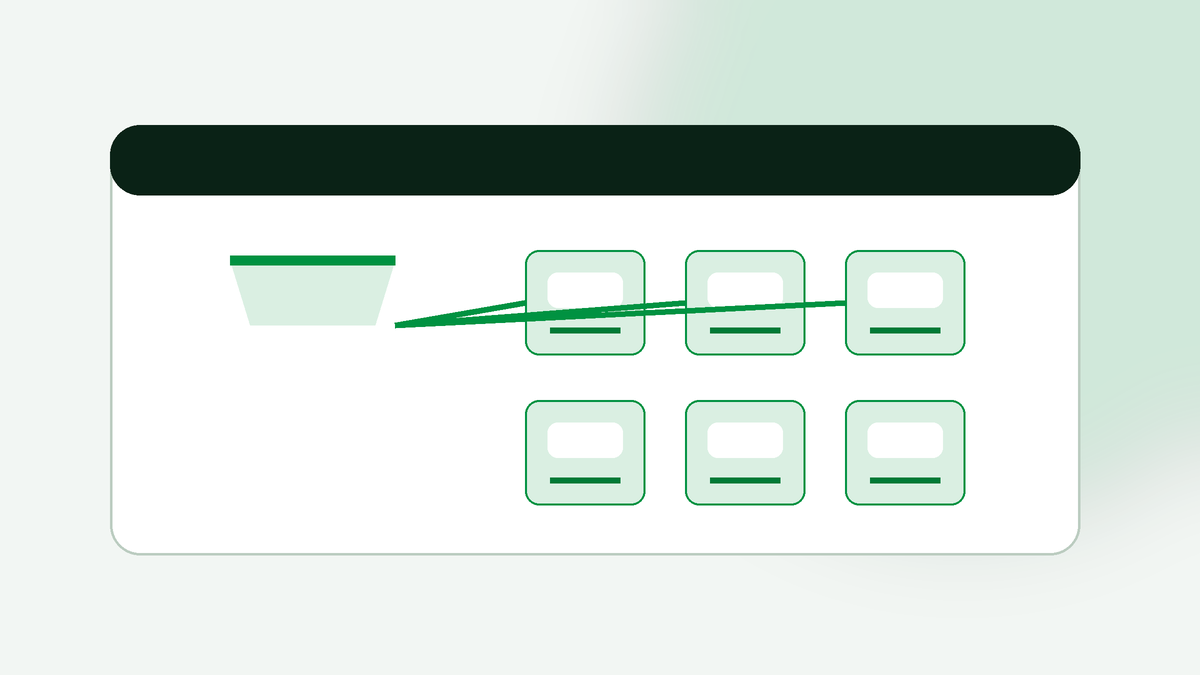
Improve ecommerce search visibility by making category pages useful, controlling faceted URLs and strengthening product discovery through internal links.
Category pages carry commercial search intent
Product pages are important, but category pages often match broader searches where people are comparing options. Strong category pages help users understand the range while giving search engines a stable commercial landing page.
Control faceted navigation
Filters can create thousands of URL combinations for size, colour, price, brand and sort order. Decide which combinations deserve indexable landing pages and which should remain crawlable, canonicalized or excluded based on the platform and search demand.
Use concise category content
Category copy should help selection rather than push products below a wall of text. Explain the product range, important differences, buying criteria and relevant subcategories. Add deeper guides elsewhere and connect them with internal links.
- Clear H1 and title
- Useful intro copy
- Subcategory links
- Filter logic
- Product availability
- FAQ or buying guidance where useful
Strengthen internal product discovery
Navigation, breadcrumbs, related products, editorial guides and category links should help both users and crawlers move from broad topics to specific products. Avoid important products being accessible only through site search or filter states.
Handle discontinued and out-of-stock products deliberately
Temporary stock issues may justify keeping the page live with alternatives. Permanently discontinued products may need a relevant replacement, redirect or retained informational page depending on demand and backlinks. Avoid automatically redirecting everything to the homepage.
Support categories with authority
Editorial links and digital PR often point more naturally to useful guides or research than directly to transactional pages. Use internal linking from those assets to priority categories so external authority flows into the commercial architecture.
Avoid index bloat during merchandising changes
Online stores frequently create temporary campaign URLs, internal search pages, sort orders and filter combinations. If these are linked heavily or added to sitemaps, crawlers can spend attention on pages with little lasting search value. Establish rules for which facets can become landing pages and which should remain utility states.
The rules should be reviewed when product ranges change. A filter with no search demand today may become important later, while an old campaign page may need consolidation after the promotion ends.
Use content and backlinks to support commercial architecture
Buying guides, comparison resources and original data often attract links more naturally than product grids. Create those assets where they genuinely help shoppers, then connect them to relevant categories and products through internal links. This lets informational authority support commercial discovery without forcing every external link directly to a sales page.
For large stores, the internal linking system can be as important as the number of external links. Authority that never reaches priority categories cannot do much for those pages.
Related TechBuzzon services: Off-Page SEO, Link Building, Technical SEO and SEO Audit.
Final takeaway
SEO decisions are strongest when technical access, search intent, content quality and authority are evaluated together. Use this article as a practical framework, then adapt the details to the website, market and competitive results you are actually working with.