Blog

  • Samsung Confirms the Next Galaxy Watch Will Jump to Qualcomm’s New SoC

    Samsung Confirms the Next Galaxy Watch Will Jump to Qualcomm’s New SoC

    Samsung has officially confirmed a major shift in its smartwatch strategy: the next Galaxy Watch will be powered by Qualcomm’s new Snapdragon wearable system-on-a-chip (SoC). This announcement marks a significant turning point for Samsung’s wearable ecosystem, as the company moves away from its long-standing reliance on in-house Exynos processors for Galaxy Watches. The decision has sparked widespread discussion across the tech industry, raising questions about performance improvements, battery life, AI features, and what this change means for future Wear OS devices.

    For years, Samsung has balanced innovation between its smartphone and wearable divisions, often using its own Exynos chips to maintain tight hardware-software integration. However, with growing competition in the smartwatch market and rising expectations from users, Samsung’s confirmation of a switch to Qualcomm’s latest wearable chipset signals a renewed focus on performance, efficiency, and next-generation capabilities.

    This article explores everything you need to know about Samsung’s decision, the technology behind Qualcomm’s new SoC, the impact on future Galaxy Watches, and what users can realistically expect from this upgrade.

    Qualcomm’s

    Samsung’s Official Confirmation Explained

    Samsung’s confirmation did not come as a casual rumor or leak. During recent briefings and partner discussions, the company clearly stated that its next-generation Galaxy Watch lineup will adopt Qualcomm’s latest wearable chipset instead of an Exynos processor. This announcement immediately caught attention because Samsung has historically preferred to develop and use its own silicon for wearables.

    By confirming the switch ahead of launch, Samsung appears confident that this move will be seen as an upgrade rather than a compromise. The company emphasized that the new chipset will enable better performance, improved efficiency, and enhanced AI capabilities, all of which align with Samsung’s broader ecosystem goals.

    This confirmation also suggests that Samsung recognizes the increasing complexity of smartwatch use cases. Modern smartwatches are no longer simple fitness trackers; they are miniature computers handling health analytics, navigation, payments, communication, and AI-powered features. Meeting these demands requires silicon that is both powerful and extremely power-efficient.

    A Brief History of Galaxy Watch Processors

    To fully understand the importance of this change, it helps to look at Samsung’s past approach to smartwatch processors.

    Exynos in Galaxy Watches

    Samsung has relied heavily on its Exynos W-series chips in previous Galaxy Watch models. These processors were optimized for Wear OS and Samsung’s One UI Watch interface, offering decent performance and respectable battery life. While Exynos chips allowed Samsung more control over hardware design, they often lagged behind Qualcomm’s smartphone chips in terms of raw power and efficiency.

    Mixed Reception from Users

    Although many users were satisfied with Galaxy Watch performance, others reported issues such as occasional lag, slower app launches, and limited headroom for advanced AI features. As competing smartwatches became faster and more responsive, expectations grew.

    This context helps explain why Samsung is now willing to pivot toward an external chipset supplier for its next wearable generation.

    Introducing Qualcomm’s New Wearable SoC

    Qualcomm’s latest wearable processor, commonly referred to as Snapdragon Wear Elite, represents one of the biggest leaps forward in smartwatch silicon in years. Designed specifically for next-generation wearables, this SoC focuses on performance, efficiency, and on-device intelligence.

    Unlike earlier wearable chips that were modest upgrades, Qualcomm’s new SoC is built using advanced manufacturing technology and includes dedicated hardware for AI workloads.

    Why Samsung Is Switching to Qualcomm

    Samsung’s decision to switch to Qualcomm is not accidental. Several strategic factors likely influenced this move.

    Performance Demands Are Increasing

    Smartwatches now handle tasks that were once reserved for smartphones. Real-time health tracking, AI-based insights, voice assistants, offline navigation, and satellite-based safety features all require substantial processing power.

    AI Is Becoming Central

    Samsung is heavily investing in artificial intelligence across its ecosystem. Running AI features directly on a watch without relying on a phone or cloud requires a powerful NPU (neural processing unit). Qualcomm’s new wearable SoC includes specialized AI hardware that exceeds what Samsung’s previous Exynos wearable chips could offer.

    Battery Efficiency Is Critical

    Performance alone is not enough. Smartwatches must balance power with battery life. Qualcomm’s new chip is built on a more advanced fabrication process, allowing higher performance at lower power consumption.

    Expected Benefits for the Next Galaxy Watch

    Samsung’s adoption of Qualcomm’s new SoC is expected to deliver several tangible benefits for users.

    Faster Performance

    Apps should open faster, animations should feel smoother, and multitasking should be more responsive. This improvement will be especially noticeable in demanding applications like maps, music streaming, and third-party Wear OS apps.

    Better Battery Life

    Thanks to improved efficiency, users can expect longer battery life, even with features like always-on displays and continuous health tracking enabled.

    Advanced AI Features

    On-device AI could power smarter health insights, more accurate activity recognition, improved voice assistants, and predictive features that adapt to user behavior.

    Improved Connectivity

    Qualcomm’s new wearable SoC supports modern connectivity standards, which could enable faster data syncing, more reliable Bluetooth connections, and potentially satellite-based emergency features.

    Impact on Wear OS Experience

    Samsung is one of the most influential players in the Wear OS ecosystem. Any major hardware change in Galaxy Watches has ripple effects across the platform.

    With Qualcomm’s new SoC, Wear OS itself could benefit from smoother system updates, more capable apps, and improved long-term support. Developers may also feel more confident building advanced apps when they know the hardware can handle demanding workloads.

    This could help Wear OS compete more effectively with rival smartwatch platforms.

    How This Affects Samsung’s Ecosystem Strategy

    Samsung’s ecosystem strategy relies on seamless integration between phones, tablets, watches, earbuds, and smart home devices. By adopting Qualcomm’s wearable SoC, Samsung gains access to a chipset designed to integrate well with Android-based systems while still allowing Samsung to customize the user experience.

    Importantly, this move does not mean Samsung is abandoning its own chip development entirely. Instead, it suggests a more flexible strategy using in-house chips where they make sense and partnering with Qualcomm when performance and efficiency demands are highest.

    Competitive Implications in the Smartwatch Market

    Samsung’s confirmation of this chipset switch sends a strong signal to competitors.

    Pressure on Other Wear OS Brands

    Other smartwatch manufacturers using Wear OS may feel pressure to adopt Qualcomm’s latest chip to remain competitive. If Galaxy Watches set a new performance benchmark, users will expect similar responsiveness from other brands.

    Stronger Competition Overall

    A faster, more efficient Galaxy Watch could intensify competition across the smartwatch market, benefiting consumers through better features and innovation.

    Potential Challenges and Risks

    While the move to Qualcomm’s new SoC brings many advantages, it is not without risks.

    Software Optimization

    Samsung must ensure that One UI Watch is fully optimized for the new chipset. Any mismatch between hardware and software could reduce the benefits of the upgrade.

    Cost Considerations

    High-end chips are expensive. Samsung will need to balance improved hardware with competitive pricing.

    Supply Chain Dependence

    Relying on Qualcomm increases Samsung’s dependence on external suppliers, which could pose challenges during global supply disruptions.

    What This Means for Current Galaxy Watch Users

    Current Galaxy Watch owners may wonder whether this change affects them. While existing models will not suddenly gain new hardware features, Samsung’s focus on Qualcomm for future watches could influence long-term software support and feature development.

    Users considering an upgrade may find the next Galaxy Watch particularly appealing if they value performance, AI features, and battery life improvements.

    Timeline and Expectations

    Samsung has not yet announced an exact launch date, but industry expectations suggest the next Galaxy Watch lineup will arrive within the usual annual release cycle. The confirmed chipset change strongly indicates that Samsung is preparing a meaningful generational upgrade rather than a minor refresh.

    Qualcomm’s

    Frequently Asked Questions

    Has Samsung officially confirmed the chipset change?

    Yes, Samsung has officially confirmed that the next Galaxy Watch will use Qualcomm’s new wearable SoC instead of an Exynos chip.

    Which Qualcomm chip will power the next Galaxy Watch?

    The next Galaxy Watch is expected to use Qualcomm’s latest wearable chipset, commonly known as Snapdragon Wear Elite.

    Why is Samsung moving away from Exynos for smartwatches?

    Samsung is prioritizing higher performance, better efficiency, and stronger AI capabilities, which Qualcomm’s new SoC offers.

    Will this improve Galaxy Watch battery life?

    Yes, the new chipset is designed to be more power-efficient, which should result in better battery life.

    Will existing Galaxy Watches get these improvements?

    No, hardware improvements apply only to new models. Existing watches will continue using their current processors.

    Does this change affect Wear OS?

    Yes, a more powerful chipset can improve overall Wear OS performance and app capabilities.

    Will the new Galaxy Watch be more expensive?

    Pricing has not been announced, but higher-end hardware could influence the final price.

    Are AI features a major reason for the upgrade?

    Absolutely. On-device AI is one of the key advantages of Qualcomm’s new wearable SoC.

    Will Samsung still develop its own chips?

    Samsung is unlikely to abandon chip development entirely, but it may adopt a more flexible approach.

    Is this good news for smartwatch buyers?

    Yes, most users will benefit from better performance, longer battery life, and smarter features.

    Conclusion

    Samsung’s confirmation that the next Galaxy Watch will jump to Qualcomm’s new SoC marks a pivotal moment for its wearable lineup. By embracing Qualcomm’s latest wearable chipset, Samsung is signaling a clear commitment to performance, efficiency, and AI-driven innovation. This move has the potential to redefine the Galaxy Watch experience, offering smoother performance, longer battery life, and more advanced features that meet the growing demands of modern smartwatch users.

    While challenges remain, the strategic shift reflects Samsung’s willingness to adapt in a competitive market. For consumers, this change promises a more powerful and future-ready Galaxy Watch, reinforcing Samsung’s position as a leader in the global smartwatch industry.
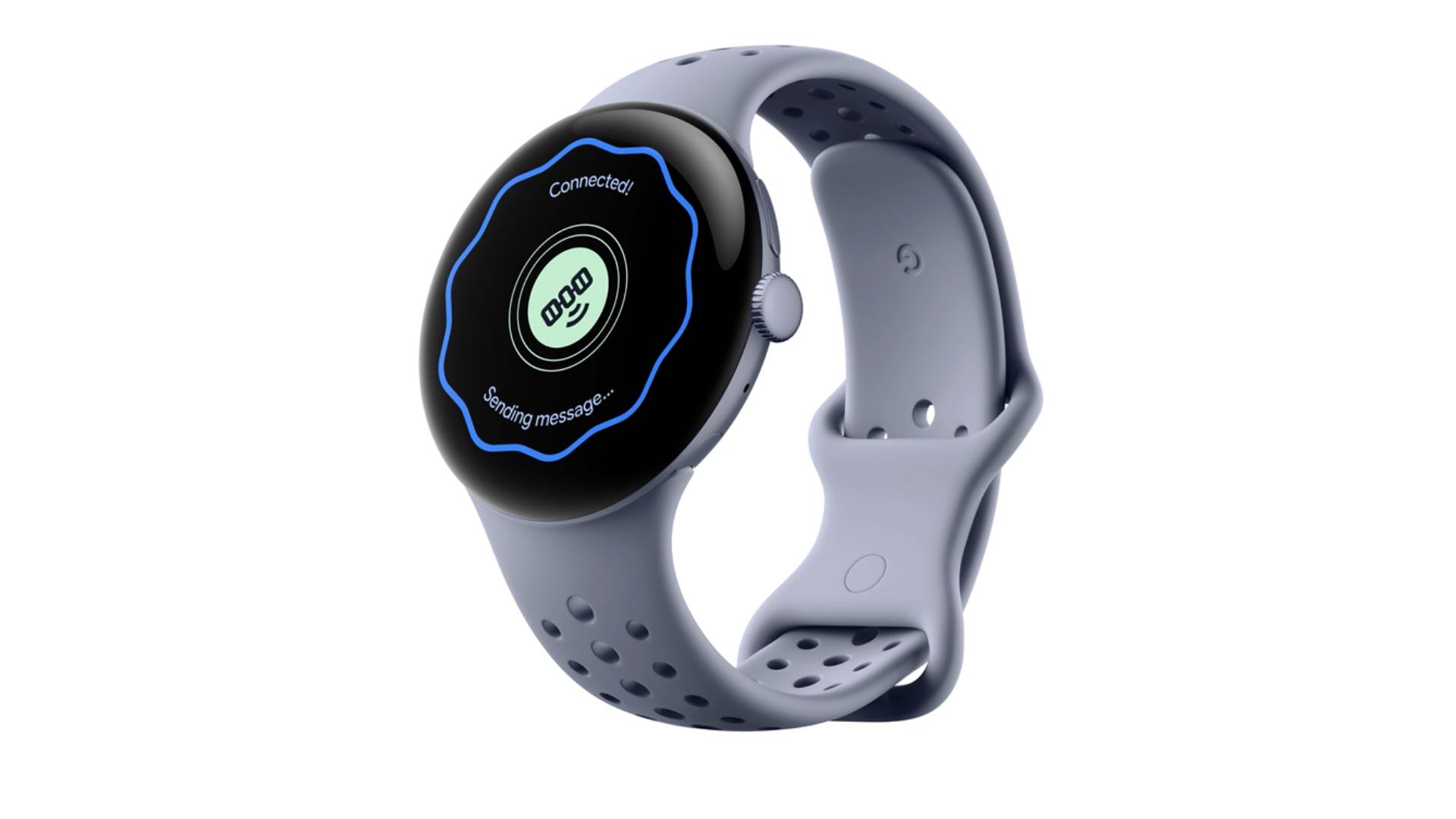
  • Google Expands Pixel Watch Satellite SOS Features to Europe, Canada, and Beyond

    Google Expands Pixel Watch Satellite SOS Features to Europe, Canada, and Beyond

    Google continues to evolve its wearable ecosystem by prioritizing user safety alongside smart functionality. In a major global move, Google has officially expanded the Satellite SOS feature for the Pixel Watch to new regions, including Europe, Canada, and additional territories beyond the United States. This expansion marks a significant step in making emergency assistance more accessible to users who travel or live in areas with limited cellular connectivity.

    Satellite SOS was initially introduced as a life-saving feature designed for extreme situations when users are outside the reach of mobile networks or Wi-Fi. By leveraging satellite communication, Pixel Watch users can contact emergency services even in the most remote environments. With this wider rollout, millions more people now gain access to this critical safety tool.

    This article explores what Satellite SOS is, how it works, why the global expansion matters, supported regions, device compatibility, privacy considerations, and the future of satellite-based safety features on Pixel devices.

    Pixel

    What Is Satellite SOS on Pixel Watch?

    Satellite SOS is an advanced emergency feature that allows Pixel Watch users to communicate with emergency services through satellite networks when no cellular signal is available. Unlike standard SOS features that rely on LTE or Wi-Fi, Satellite SOS operates independently of traditional mobile infrastructure.

    When activated, the watch provides on-screen guidance, prompting the user to answer short questions about the emergency. This information, along with precise location data, is transmitted via satellite to emergency response centers, enabling rescue teams to respond effectively.

    This feature is especially useful in:

    • Remote outdoor locations
    • Mountains, forests, and deserts
    • Rural highways
    • Offshore or low-coverage regions

    Why This Expansion Is Important

    Extending Safety Beyond Network Coverage

    One of the biggest limitations of smartwatches has always been their dependence on cellular networks. Google’s expansion of Satellite SOS removes this barrier, allowing users to rely on their Pixel Watch even when completely offline.

    This change is critical for:

    • Hikers and campers
    • International travelers
    • Adventure sports enthusiasts
    • People living in rural or remote areas

    Global Travel and Emergency Preparedness

    As international travel increases, users expect their safety features to work across borders. Expanding Satellite SOS to Europe and Canada ensures that Pixel Watch users maintain emergency access while traveling abroad, reducing risk and uncertainty.


    Newly Supported Regions

    Google has confirmed that Satellite SOS is now available in several new regions, significantly expanding its global reach.

    Europe

    Many European countries are now supported, offering emergency satellite communication in mountainous regions, countryside areas, and remote travel destinations.

    Canada

    Canada’s vast wilderness makes it one of the most important additions. Satellite SOS is especially valuable in forests, national parks, and northern regions where cellular coverage is limited or nonexistent.

    Beyond the Mainland United States

    The expansion also includes regions such as Alaska and Hawaii, areas known for challenging terrain and limited network infrastructure.

    Supported Pixel Watch Models

    Satellite SOS requires specialized hardware, meaning it is only available on newer Pixel Watch models equipped with satellite communication capabilities.

    To use Satellite SOS, users must:

    • Have a compatible Pixel Watch
    • Install the latest software updates
    • Enable Safety & Emergency settings
    • Allow location access

    Users are advised to check device compatibility before relying on the feature during travel or outdoor activities.

    Privacy and User Data Protection

    Google has emphasized that privacy is a key priority in Satellite SOS implementation. The feature is only activated during emergencies and does not operate in the background.

    Key privacy measures include:

    • Emergency-only data transmission
    • Encrypted communication channels
    • No continuous satellite tracking
    • Location shared strictly for rescue purposes

    Users retain full control over enabling or disabling Satellite SOS at any time.

    Battery Usage and Performance Impact

    Satellite communication is known to consume significant power, but Google has optimized Satellite SOS to minimize battery impact.

    Important points include:

    • Satellite radios activate only during emergencies
    • No background satellite scanning
    • Normal daily battery life remains unaffected

    This ensures that the Pixel Watch remains efficient while still offering powerful emergency capabilities.

    Who Should Use Satellite SOS?

    Satellite SOS is especially beneficial for:

    • Outdoor explorers and hikers
    • Solo travelers
    • Remote workers
    • Adventure sports participants
    • People living in low-coverage regions

    Even everyday users benefit from the peace of mind that emergency help is available anywhere.

    Future of Satellite Features on Pixel Devices

    The expansion of Satellite SOS strongly indicates Google’s long-term investment in satellite technology. Future updates may include:

    • Wider country support
    • Satellite messaging beyond emergencies
    • Deeper integration with Pixel smartphones
    • Faster satellite connectivity

    As satellite infrastructure improves globally, these features are expected to become more common across Pixel devices.

    Pixel

    Frequently Asked Questions

    What is Satellite SOS on Pixel Watch?

    Satellite SOS is an emergency feature that allows Pixel Watch users to contact emergency services via satellite when no cellular or Wi-Fi connection is available.

    Is Satellite SOS available worldwide?

    No, it is currently available in selected regions, including parts of the United States, Europe, Canada, and certain additional territories.

    Does Satellite SOS require a phone nearby?

    No, the feature works directly from the Pixel Watch without requiring a connected smartphone.

    Will Satellite SOS work indoors?

    Satellite SOS generally requires a clear view of the sky and may not function properly indoors or underground.

    Is there an extra cost to use Satellite SOS?

    Pricing and availability may vary by region. Some regions may offer the feature at no additional cost for a limited period.

    Does Satellite SOS track my location all the time?

    No, location data is only shared during an active emergency.

    Which Pixel Watch models support Satellite SOS?

    Only newer Pixel Watch models with satellite communication hardware support this feature.

    How reliable is satellite communication?

    Satellite connectivity is highly reliable in open environments but may be affected by heavy obstructions like dense forests or mountains.

    Can Satellite SOS be used for non-emergency messages?

    Currently, Satellite SOS is designed strictly for emergency use only.

    How do I enable Satellite SOS on my Pixel Watch?

    You can enable it through Settings → Safety & Emergency on your Pixel Watch.

    Conclusion

    Google’s expansion of Pixel Watch Satellite SOS to Europe, Canada, and beyond represents a major advancement in wearable safety technology. By enabling emergency communication without cellular coverage, Google is redefining what smartwatches can do in critical situations. This feature offers peace of mind to travelers, outdoor enthusiasts, and everyday users alike.

    As satellite technology continues to evolve, features like Satellite SOS are becoming essential rather than optional. With this expansion, Pixel Watch moves beyond fitness tracking and notifications to become a truly reliable safety companion ready to help when it matters most.

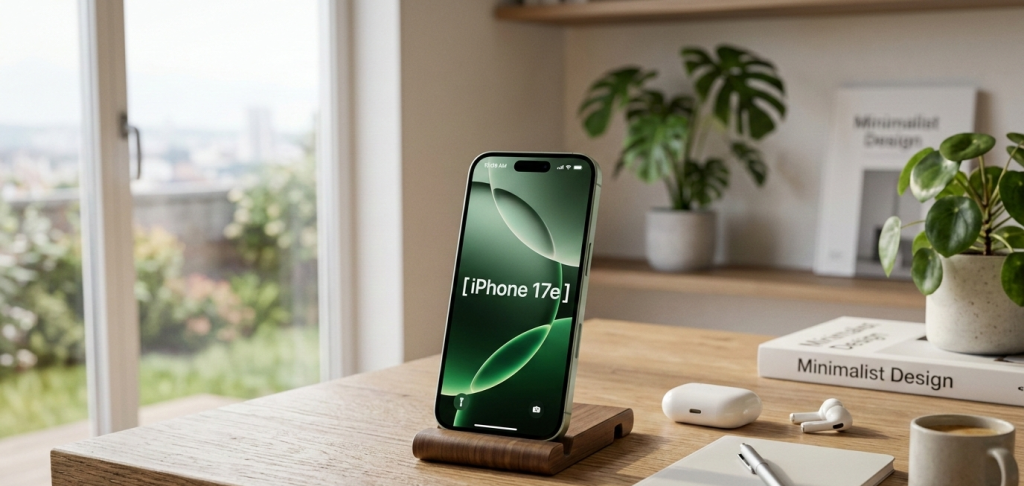
  • Apple Launches Lower-Cost iPhone 17e and a New iPad Air Powered by the M4 Chip

    Apple Launches Lower-Cost iPhone 17e and a New iPad Air Powered by the M4 Chip

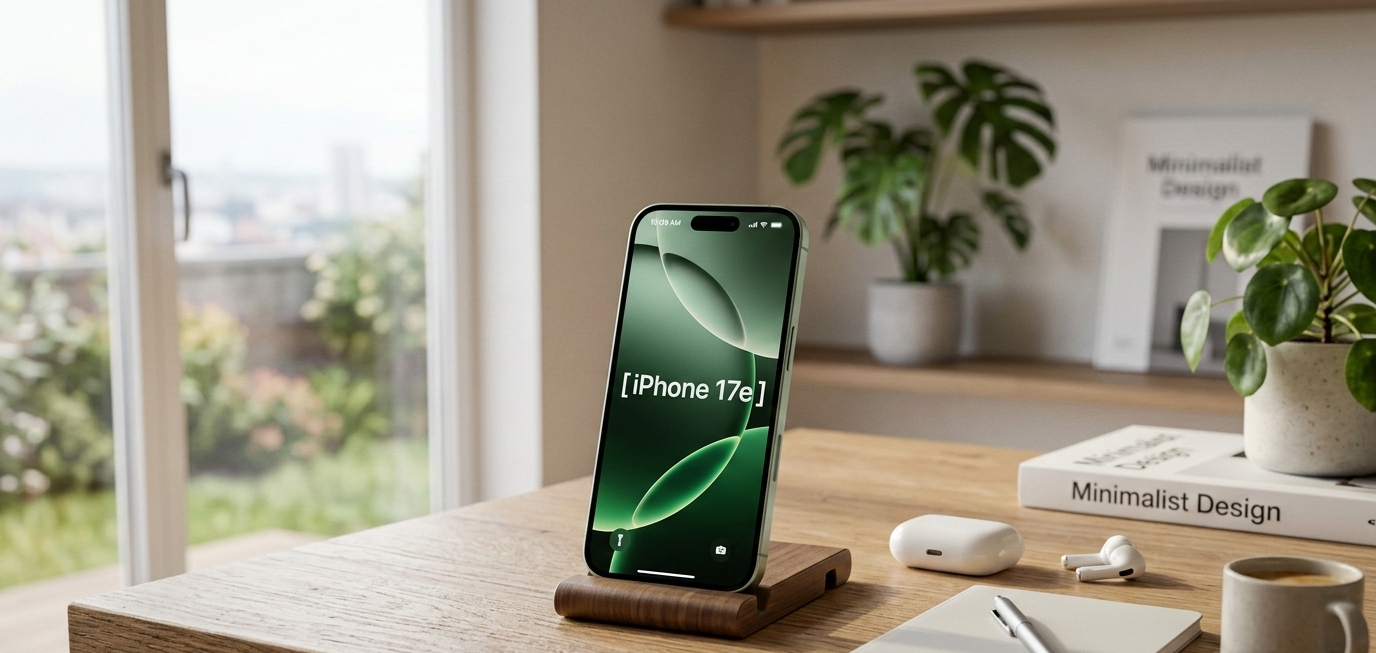
    Apple has expanded its product lineup with two significant announcements: the introduction of the more affordable iPhone 17e and the unveiling of a redesigned iPad Air powered by the advanced Apple M4 chip. Together, these launches reflect Apple’s continued focus on delivering high performance, refined design, and long-term value across multiple price tiers.

    By combining flagship-level features with more accessible pricing, Apple is targeting a broader segment of consumers while maintaining its premium ecosystem advantage.

    A Strategic Move Toward Accessible Innovation

    Apple’s decision to introduce a lower-cost iPhone model within the iPhone 17 family signals a strategic shift. Rather than positioning affordability as a compromise, the company is redefining value. The iPhone 17e delivers cutting-edge hardware, enhanced durability, and next-generation performance at a starting price designed to attract upgraders and first-time iPhone buyers alike.

    At the same time, the new iPad Air with M4 brings pro-level computing power into Apple’s mid-tier tablet category, bridging the gap between casual productivity and professional workflows.

    iPhone 17e: Flagship Power at a Competitive Price

    The iPhone 17e stands out as one of the most compelling value propositions in Apple’s smartphone portfolio. It offers many premium features typically associated with higher-end models while maintaining a competitive starting price.

    Performance Driven by A19

    At the core of the iPhone 17e is Apple’s latest-generation A19 chip, built on advanced 3-nanometer technology. This architecture enables:

    • Faster CPU performance
    • Improved GPU graphics
    • Enhanced energy efficiency
    • Better support for AI-driven tasks

    Whether users are gaming, editing high-resolution video, or multitasking across demanding apps, the A19 ensures smooth, responsive performance.

    In addition, the custom-designed C1X modem provides faster cellular speeds and improved power efficiency, contributing to extended battery life.

    Advanced Camera System

    Photography remains central to the iPhone experience, and the 17e continues that tradition with a powerful 48MP Fusion camera. This system enables:

    • 24MP and full 48MP image capture
    • 2x optical-quality Telephoto capability
    • Advanced Portrait mode with depth adjustments
    • Night mode enhancements
    • 4K Dolby Vision video recording at 60fps

    By integrating computational photography and machine learning improvements, Apple ensures vibrant colors, realistic skin tones, and detailed low-light shots.

    Display and Durability

    The iPhone 17e features a 6.1-inch Super Retina XDR OLED display that delivers vivid colors, deep contrast, and up to 1200 nits of peak HDR brightness. This ensures excellent visibility even under bright sunlight.

    iPad Air

    Durability is also a key highlight. The device incorporates Ceramic Shield 2, offering improved scratch resistance and enhanced anti-reflective properties. Combined with an aerospace-grade aluminum frame and IP68 water and dust resistance, the iPhone 17e is built for longevity.

    MagSafe and Charging

    MagSafe support expands the device’s versatility. Users can attach a wide range of accessories, including wallets, cases, chargers, and stands. Wireless charging speeds reach up to 15W, while USB-C fast charging can restore up to 50% battery in approximately 30 minutes.

    Satellite Connectivity and Safety

    Apple continues to invest in safety features. The iPhone 17e includes satellite-based capabilities such as:

    • Emergency SOS
    • Roadside Assistance
    • Messages via satellite
    • Find My location sharing

    These features provide crucial connectivity in remote or emergency situations, reinforcing Apple’s focus on user safety.

    New iPad Air with M4: Performance Reimagined

    Alongside the iPhone 17e, Apple introduced a new iPad Air powered by the M4 chip. This upgrade significantly enhances the tablet’s capabilities, positioning it as a serious productivity device.

    The Power of M4

    The Apple M4 chip brings desktop-class performance to the iPad Air. Built on next-generation silicon architecture, it delivers:

    • Substantial CPU and GPU performance gains
    • Advanced Neural Engine capabilities
    • Enhanced AI processing
    • Improved energy efficiency

    The M4 allows users to run complex creative software, edit 4K video, develop code, and multitask seamlessly.

    • Designed for Work and Creativity
    • The new iPad Air supports:
    • Apple Pencil for precision input
    • Magic Keyboard for laptop-style productivity
    • Advanced multitasking in iPadOS
    • AI-enhanced features for image editing, writing, and translation

    For students, content creators, and professionals, the device provides a flexible alternative to traditional laptops.

    Display and Portability

    The iPad Air retains its slim and lightweight design while incorporating improved display technology. The high-resolution Liquid Retina display ensures sharp visuals and accurate color reproduction, making it ideal for design, streaming, and gaming.

    Battery life remains strong, supporting all-day usage.

    Apple Intelligence and Software Integration

    Both the iPhone 17e and the new iPad Air benefit from the latest advancements in Apple’s software ecosystem. Enhanced AI features allow users to:

    • Translate conversations in real time
    • Improve photos automatically
    • Screen calls from unknown numbers
    • Filter unwanted messages
    • Use generative AI tools within apps

    By integrating hardware and software tightly, Apple ensures smooth performance while maintaining user privacy.

    Sustainability and Environmental Commitment

    Apple continues its commitment to sustainability with these new devices. The iPhone 17e includes a significant percentage of recycled materials, including recycled aluminum and cobalt. The company also emphasizes renewable energy across its manufacturing supply chain.

    Packaging has been redesigned to be fiber-based and more environmentally friendly, aligning with Apple’s long-term carbon neutrality goals.

    Market Impact and Competitive Position

    The introduction of a lower-cost iPhone 17e strengthens Apple’s position in price-sensitive markets while preserving its premium brand identity. It competes directly with high-performance mid-range smartphones while offering deeper ecosystem integration.

    Meanwhile, the iPad Air with M4 elevates expectations for mid-tier tablets, challenging competitors that rely on less powerful chipsets.

    Why These Launches Matter

    Apple’s dual release strategy addresses two key trends:

    • Consumers want flagship performance without flagship prices.
    • Tablets are increasingly replacing laptops for many users.

    By delivering powerful hardware at more accessible price points, Apple is expanding its reach while reinforcing ecosystem loyalty.

    Conclusion

    With the launch of the iPhone 17e and the new iPad Air powered by the M4 chip, Apple has successfully blended performance, innovation, and affordability. The iPhone 17e offers premium features — including the A19 chip, 48MP camera, satellite safety features, and MagSafe — at a competitive price. Meanwhile, the M4-powered iPad Air brings professional-level computing power to a broader audience.

  • Apple introduces iPhone 17e

    Apple introduces iPhone 17e

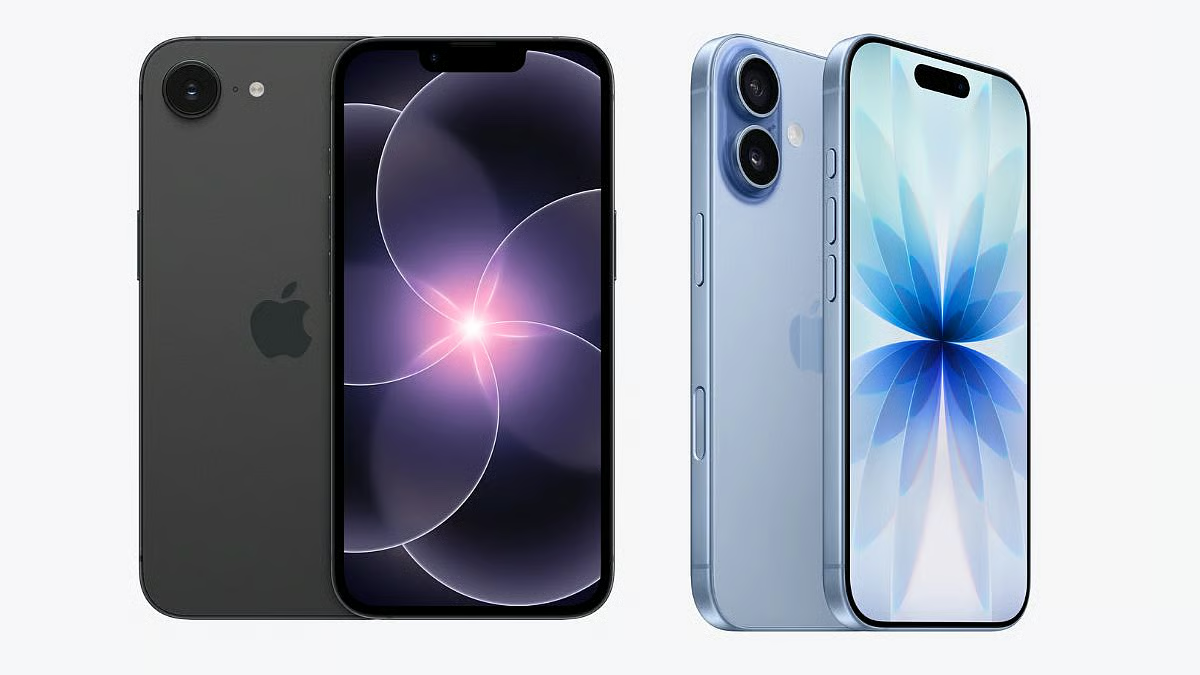
    Apple has officially introduced the iPhone 17e, a more affordable yet powerful addition to the iPhone 17 lineup. Designed for users who want premium features without the premium price tag, iPhone 17e combines next-generation performance, a smarter camera system, improved durability, and double the starting storage, all starting at 256GB.

    Priced from $599, it delivers exceptional value while maintaining the performance, design quality, and long-term reliability Apple users expect.

    Performance Powered by A19

    At the core of iPhone 17e is Apple’s latest-generation A19 chip, built on advanced 3-nanometer technology. This processor delivers faster speeds, improved efficiency, and seamless multitasking, whether you’re gaming, editing photos, or using AI-powered features.

    The new C1X cellular modem, designed by Apple, is up to 2x faster than its predecessor and significantly more energy efficient, helping extend battery life throughout the day.

    Advanced 48MP Fusion Camera System

    The 48MP Fusion camera offers exceptional image detail and improved low-light performance. It also enables a 2x optical-quality Telephoto option, essentially giving users two cameras in one.

    iPhone 17e

    Key camera features include:

    • 24MP and 48MP photo capture options
    • Enhanced Portrait mode with natural depth and adjustable focus
    • Night mode for low-light clarity
    • 4K Dolby Vision video recording at up to 60 fps
    • Spatial Audio recording for immersive sound

    Whether capturing everyday moments or cinematic-quality videos, iPhone 17e delivers impressive results.

    Durable Design with Stunning Display

    iPhone 17e features a 6.1-inch Super Retina XDR OLED display with vibrant colors and up to 1200 nits peak HDR brightness. The new Ceramic Shield 2 front cover provides 3x better scratch resistance and reduced glare compared to the previous generation.

    The aerospace-grade aluminum body is splash, water, and dust resistant (IP68 rated), ensuring long-lasting durability.

    iPhone 17e

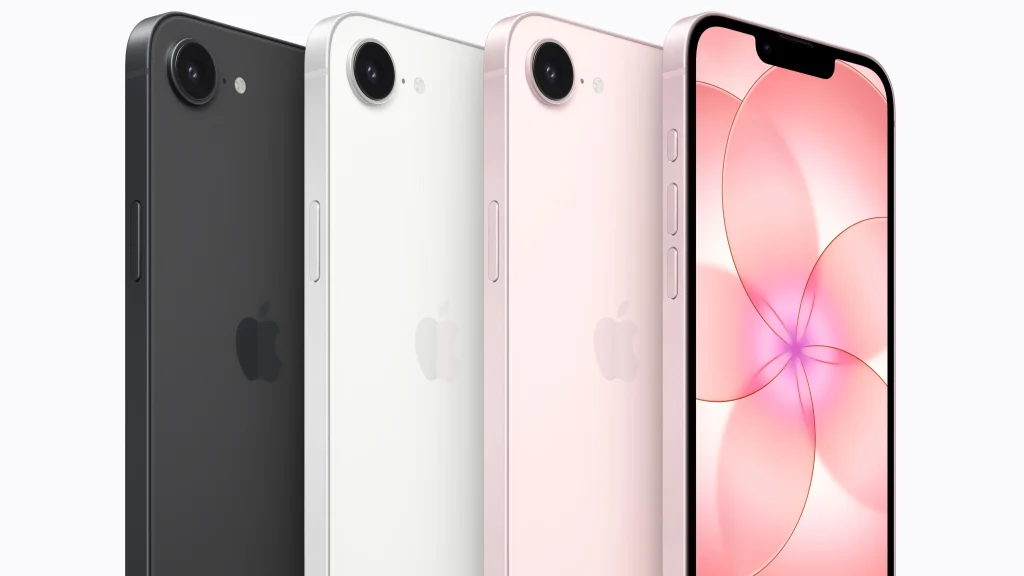
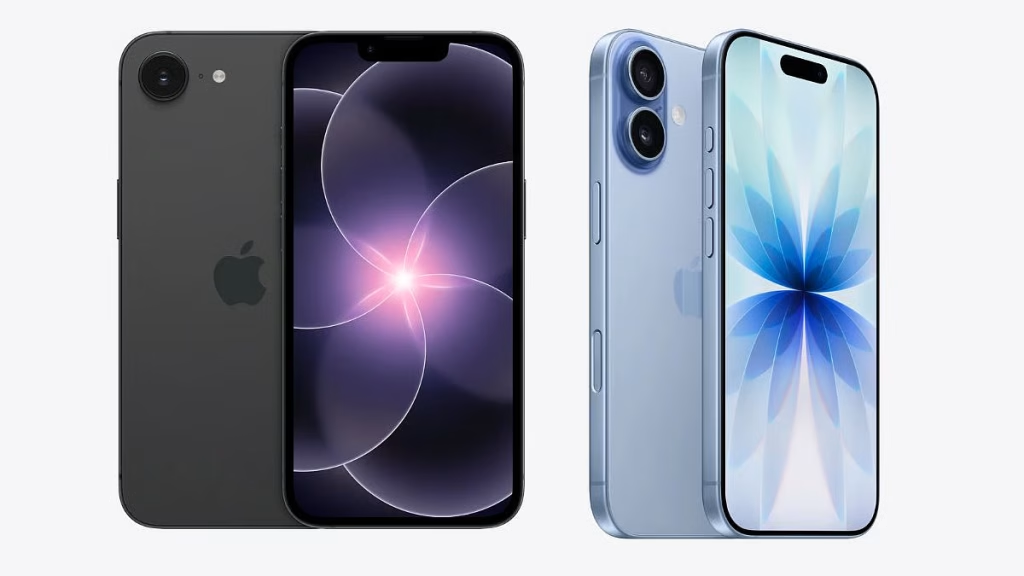
    Available colors:

    • Black
    • White
    • Soft Pink

    Battery Life, Charging, and MagSafe

    Thanks to improved chip efficiency and iOS optimization, iPhone 17e offers all-day battery life.

    Charging options include:

    • USB-C fast charging (up to 50% in around 30 minutes)
    • MagSafe wireless charging up to 15W
    • Qi2 wireless charging support
    iPhone 17e

    MagSafe also unlocks a wide ecosystem of accessories, including cases, wallets, chargers, and more.

    Satellite Safety Features

    When outside cellular or Wi-Fi coverage, iPhone 17e supports satellite-based features such as:

    • Emergency SOS
    • Roadside Assistance
    • Messages via satellite
    • Find My location sharing

    These tools provide critical connectivity in remote or emergency situations.

    iOS 26 and Apple Intelligence

    iPhone 17e runs on iOS 26, featuring a refreshed design and enhanced Apple Intelligence capabilities. Users benefit from AI-powered tools like Live Translation, smarter photo editing, call screening, and improved message filtering, all optimized for speed and privacy.

    Pricing and Availability

    iPhone 17e starts at $599 with 256GB of storage — double the entry storage of its predecessor at the same price point. It is also available in 512GB capacity.

    Pre-orders begin March 4, with availability starting March 11 in over 70 countries.

    FAQs

    What makes iPhone 17e different from previous models?

    iPhone 17e offers double the starting storage (256GB), the new A19 chip, improved durability with Ceramic Shield 2, and a 48MP 2-in-1 camera system, all at a competitive price.

    Does iPhone 17e support MagSafe?

    Yes, it supports MagSafe and Qi2 wireless charging up to 15W and works with a wide range of compatible accessories.

    How good is the camera on iPhone 17e?

    The 48MP Fusion camera delivers sharp, detailed images, improved Portrait mode, Night mode, and 4K Dolby Vision video recording.

    Is iPhone 17e durable?

    Yes. It features Ceramic Shield 2 for improved scratch resistance and an IP68 rating for water and dust resistance.

    What storage options are available?

    iPhone 17e starts at 256GB and is also available in a 512GB variant.

    Does it support satellite communication?

      Yes. Users can access Emergency SOS, Messages, Roadside Assistance, and Find My via satellite when outside cellular coverage.

      Conclusion

      iPhone 17e strikes an impressive balance between performance, durability, camera innovation, and affordability. With the powerful A19 chip, upgraded 48MP camera system, enhanced battery life, and double the starting storage, it delivers flagship-level features at a compelling price point.

    1. AI is Transforming the Diagnosis and Treatment of Vision Loss

      AI is Transforming the Diagnosis and Treatment of Vision Loss

      Artificial intelligence (AI) is changing the way doctors diagnose and treat vision loss. Over a billion people worldwide live with some form of vision impairment, and AI can help reach more patients efficiently. By combining AI with human expertise, healthcare providers can offer better care. This is especially helpful in remote or underserved areas where access to eye specialists is limited.

      AI tools can screen, monitor, and diagnose patients using devices like smartphones. These technologies can detect early signs of diseases such as glaucoma or diabetic retinopathy. Early detection allows for timely treatment and may prevent vision from worsening. Patients can now receive care without frequent hospital visits, making the process easier and faster.

      How AI Works Alongside Doctors

      AI is not meant to replace doctors but to assist them. For example, Visilant uses AI to analyze eye images and flag cases for doctors to review. This ensures that important decisions always involve human expertise. It creates a safe and reliable system where technology supports healthcare professionals.

      Guardrails are built into AI tools to prevent errors. When the AI encounters a condition it cannot fully evaluate, it alerts a doctor. This approach maintains accuracy and protects patient safety. Doctors focus on complex cases, while AI handles routine screenings and monitoring.

      Predictive and Preventive Care

      AI can predict potential problems before they become serious. By analyzing patterns in eye health, it can suggest interventions early. This can reduce the need for surgeries and improve long-term outcomes. Patients benefit from care that is proactive rather than reactive.

      AI is Transforming

      Predictive tools also help doctors plan better treatments. Surgeons can achieve more precise outcomes using AI guidance. This approach changes how success is measured in eye procedures. It makes treatments more effective and safer for patients.

      Expanding Access to Patients Worldwide

      AI is making eye care more accessible, especially in remote or underserved areas. Patients can use smartphones to capture images of their eyes and share them with doctors online. This reduces the need to travel for routine screenings. Early detection becomes faster and more convenient for many people.

      Telemedicine combined with AI ensures continuous care and better monitoring. Doctors can follow patients’ conditions over time and intervene when necessary. This creates a seamless system from diagnosis to follow-up care.

      Benefits of AI in expanding access include:

      • AI is Transforming
      • Remote screenings via smartphones, reducing travel time.
      • Continuous monitoring and early intervention for patients.
      • Broader reach to underserved populations worldwide.

      Challenges and Considerations

      While AI offers many benefits, there are still challenges to address. Protecting patient data is essential, as these systems need large amounts of sensitive information. Algorithms must be carefully trained to prevent errors or bias in diagnosis. Ensuring fair and safe care for all patients is a top priority.

      Regulatory oversight plays a key role in safe AI adoption. AI tools must meet clinical standards and receive proper approvals before use. They also need to integrate smoothly into existing hospital workflows. Thoughtful design, testing, and monitoring help reduce risks and improve outcomes.

      The Future of Vision Care

      AI is transforming vision care by combining advanced technology with human expertise. Tools like Visilant help make screening, monitoring, and treatment more efficient. Patients can access care earlier, while doctors focus on complex or critical cases. This collaboration improves overall healthcare quality for vision patients.

      AI is Transforming

      The future of eye health looks promising with AI innovations. Benefits include reducing unnecessary surgeries, expanding access, and improving treatment outcomes. With careful implementation, AI will continue to assist doctors and enhance patient care.

      Key benefits of AI in vision care:

      • Early detection and preventive care for better outcomes.
      • Increased accessibility for patients in remote areas.
      • Support for doctors in complex decision-making and surgeries.

      FAQs

      How is AI changing vision care?

      AI is helping doctors screen, diagnose, and monitor vision problems faster and more accurately. It allows early detection of diseases like glaucoma or diabetic retinopathy, often before symptoms appear.

      Can AI replace eye doctors?

      No. AI works alongside doctors as a support tool. It handles routine tasks and flags potential issues, while doctors make critical decisions and provide personalized care.

      Is AI vision care accessible globally?

      Yes. AI-powered tools and telemedicine allow patients in remote or underserved areas to access screenings and consultations without traveling long distances.

      What are the risks of AI in eye health?

      Risks include data privacy concerns, algorithm bias, and potential errors if human oversight is absent. Proper testing, regulations, and monitoring reduce these risks.

      How will AI shape the future of eye care?

      AI will enable predictive care, reduce unnecessary surgeries, expand access, and improve treatment outcomes. It is likely to redefine both patient care and surgical precision.

      Conclusion

      AI is revolutionizing vision care by combining technology with human expertise. Tools like Visilant make screening, diagnosis, and treatment more efficient, accessible, and predictive. While challenges such as data privacy and algorithm bias exist, proper oversight ensures safe and effective care. With AI, patients receive earlier interventions, doctors can focus on complex cases, and the overall quality of vision healthcare is improving globally, opening new possibilities for millions of people with vision loss.

    2. Honor Magic9 Leak Suggests New Hole-Punch Design – A Major Design Shift in the Flagship Lineup

      Honor Magic9 Leak Suggests New Hole-Punch Design – A Major Design Shift in the Flagship Lineup

      The smartphone industry is once again buzzing with excitement as fresh leaks surrounding the upcoming Honor Magic9 suggest a bold new hole-punch display design. According to industry insiders and early renders, Honor is preparing to introduce a refined front-facing camera layout that could significantly change the aesthetic and user experience of its next-generation flagship.

      If these leaks prove accurate, the Honor Magic9 may represent one of the biggest design upgrades in the brand’s recent history. In this comprehensive, SEO-optimized article, we’ll explore everything about the Honor Magic9 leak, including the rumored hole-punch design, expected specifications, display technology, performance upgrades, camera improvements, battery enhancements, and how it compares with previous Magic series smartphones.

      Honor Magic9 Leak Overview

      The leaked information indicates that Honor is moving toward a cleaner and more modern hole-punch design for its flagship smartphone. Unlike previous iterations that experimented with pill-shaped or curved camera cutouts, the Magic9 may adopt a centered or refined hole-punch layout.

      Magic9

      Key Highlights from the Leak:

      • New refined hole-punch display design
      • Slimmer bezels for immersive viewing
      • Potential upgraded flagship chipset
      • Improved AI camera processing
      • Enhanced battery efficiency
      • Advanced AMOLED display technology

      The shift suggests that Honor aims to compete more aggressively with global flagship devices in terms of both design and innovation.

      Evolution of the Honor Magic Series

      The Magic series has always represented innovation and premium engineering for Honor. From curved-edge displays to advanced camera modules, each generation introduced something unique.

      The upcoming Magic9 appears to focus heavily on visual refinement and display optimization. The move toward a new hole-punch design reflects broader industry trends while maintaining Honor’s premium identity.

      This redesign could position the Magic9 as one of the most visually balanced smartphones in its class.

      What Is the New Hole-Punch Design?

      A hole-punch design refers to a small circular cutout on the display that houses the front-facing camera. This approach maximizes screen real estate while minimizing visual distraction.

      Why It Matters:

      • More immersive full-screen experience
      • Cleaner aesthetic
      • Better screen-to-body ratio
      • Improved structural balance

      If Honor integrates the hole-punch seamlessly with ultra-thin bezels, the Magic9 could deliver a near edge-to-edge viewing experience.

      Display Technology and Screen Improvements

      The Honor Magic9 is expected to feature a high-resolution AMOLED panel with flagship-grade brightness and color accuracy.

      Expected Display Features:

      • AMOLED display technology
      • 120Hz or higher refresh rate
      • HDR support
      • Improved peak brightness
      • Reduced blue light emission

      With the new hole-punch design, users may experience less visual obstruction compared to older dual-cutout or pill-shaped layouts.

      This improvement is particularly beneficial for:

      • Gaming
      • Streaming
      • Social media browsing
      • Professional content creation

      Performance Expectations

      While the leak primarily focuses on the display design, flagship performance upgrades are also anticipated. The Magic9 is expected to feature a next-generation chipset for superior speed and efficiency.

      Honor traditionally equips its Magic series with top-tier processors, ensuring:

      • Faster app launches
      • Smooth multitasking
      • Advanced AI processing
      • Improved power efficiency

      Combined with optimized software, the Magic9 could deliver seamless flagship-level performance.

      Camera System Enhancements

      The new hole-punch design directly impacts the front camera system. Rumors suggest:

      • Higher resolution selfie camera
      • Enhanced AI portrait mode
      • Improved low-light performance
      • Advanced video stabilization

      On the rear side, the Magic9 may include a refined camera module with:

      • Large primary sensor
      • Ultra-wide lens
      • Telephoto or periscope zoom
      • AI-powered computational photography

      Honor has consistently focused on photography innovation, and the Magic9 is expected to continue this trend.

      Battery Life and Charging Technology

      Battery performance remains critical for flagship smartphones. The Magic9 leak hints at:

      • Larger battery capacity
      • Faster wired charging
      • Advanced wireless charging support
      • Better thermal management

      With improved chipset efficiency and display optimization, users can expect all-day battery life even under heavy usage.

      Software and User Experience

      The Magic9 is likely to run Honor’s latest MagicOS version based on Android.

      Expected Software Improvements:

      • Smarter AI system optimization
      • Enhanced privacy features
      • Fluid animations
      • Customizable UI options
      • Improved multitasking capabilities

      The hole-punch layout may also allow for refined notification and status bar alignment, offering a cleaner UI experience.

      Design Philosophy: Minimalism Meets Innovation

      The rumored hole-punch design signals Honor’s commitment to minimalism and functionality.

      Compared to previous designs that experimented with wider cutouts, this change could:

      • Improve aesthetic symmetry
      • Reduce distraction while watching content
      • Increase structural durability

      The Magic9 may also feature:

      • Premium glass back
      • Aluminum or reinforced frame
      • Slim profile
      • Improved weight distribution

      How the Magic9 Compares to Competitors

      The flagship smartphone market is highly competitive. If the leak is accurate, the Magic9’s refined hole-punch design may rival other premium devices offering similar front-camera placements.

      Competitive Advantages May Include:

      • Cleaner camera cutout design
      • High refresh rate AMOLED display
      • Strong AI camera capabilities
      • Competitive pricing strategy
      • Premium build quality

      Honor appears focused on blending performance, style, and affordability.

      Potential Market Impact

      A redesigned hole-punch display could significantly influence buyer perception.

      Modern smartphone users prioritize:

      • Minimal bezels
      • Balanced aesthetics
      • Immersive display experience

      By implementing a refined design, Honor may attract:

      • Young tech enthusiasts
      • Content creators
      • Mobile gamers
      • Business professionals

      The Magic9 could strengthen Honor’s position in global flagship markets.

      Gaming and Multimedia Performance

      With a high refresh rate display and powerful chipset, the Magic9 may offer an exceptional gaming experience.

      Expected Gaming Benefits:

      • Smooth frame rates
      • Faster touch response
      • Reduced latency
      • Improved thermal efficiency

      The minimized hole-punch design also ensures less visual interference during gameplay and streaming.

      Connectivity and Future-Ready Features

      The Honor Magic9 is expected to support:

      • 5G connectivity
      • Wi-Fi 6 or newer
      • Advanced Bluetooth standards
      • NFC support
      • Enhanced GPS accuracy

      These features ensure long-term usability and compatibility with evolving technologies.

      Security and Biometrics

      Security remains a top priority for flagship devices.

      The Magic9 may include:

      • In-display fingerprint sensor
      • AI-powered face unlock
      • Advanced encryption features
      • Secure app permissions

      The hole-punch placement may also improve face unlock accuracy due to optimized camera positioning.

      Environmental and Build Considerations

      Modern consumers increasingly value sustainability. Honor may integrate:

      • Recycled materials
      • Energy-efficient components
      • Durable construction
      • Eco-friendly packaging

      These enhancements could improve the device’s appeal to environmentally conscious buyers.

      Expected Release Timeline

      While the leak confirms design changes, official release details remain unconfirmed. However, industry analysts expect the Magic9 to launch in the upcoming flagship cycle.

      Early teasers and additional leaks may reveal:

      • Full specification sheet
      • Official pricing
      • Availability regions
      • Pre-order incentives

      Should You Wait for the Honor Magic9?

      If the leaked hole-punch redesign is a priority for you, waiting could be worthwhile. The Magic9 promises:

      • Modern aesthetics
      • Powerful hardware
      • Improved camera experience
      • Long-term software support

      It may particularly appeal to users upgrading from older Honor or mid-range smartphones.

      FAQ’S

      What does the Honor Magic9 leak reveal?

      The latest leak suggests that the Honor Magic9 will feature a redesigned hole-punch display, offering a cleaner and more immersive front-screen experience.

      What is the new hole-punch design in Honor Magic9?

      The new hole-punch design refers to a small circular cutout in the display that houses the front camera, minimizing screen obstruction and improving the screen-to-body ratio.

      Will the Honor Magic9 have a centered or side hole-punch camera?

      Leaks indicate that Honor may adopt a more symmetrical and refined placement, possibly centered, but official confirmation is still pending.

      How does the hole-punch design improve user experience?

      It enhances immersion by reducing visual distractions, providing a more seamless display for gaming, streaming, and browsing.

      What display technology is expected in the Honor Magic9?

      The Magic9 is expected to feature an advanced AMOLED display with a high refresh rate (likely 120Hz or higher), improved brightness, and better color accuracy.

      Will the Honor Magic9 offer flagship-level performance?

      Yes, as part of the Magic series, the device is expected to include a next-generation flagship chipset for fast performance, AI processing, and smooth multitasking.

      What camera improvements are rumored for the Magic9?

      Leaks suggest upgrades to both the selfie camera (housed in the hole-punch cutout) and the rear camera system, including improved AI photography and better low-light performance.

      Is the Honor Magic9 expected to support 5G?

      Yes, the Honor Magic9 is expected to support 5G connectivity, ensuring faster internet speeds and future-ready network compatibility.

      Will the new design affect battery life?

      The hole-punch design itself does not directly impact battery life, but the Magic9 is rumored to feature a larger battery and improved power efficiency.

      When will the Honor Magic9 officially launch?

      Honor has not yet officially announced the launch date, but industry sources expect it to debut during the next flagship release cycle.

      How will the Magic9 compare to previous Magic series phones?

      The Magic9 is expected to offer a more refined front design, better performance, improved camera technology, and enhanced display features compared to earlier models.

      Should I wait for the Honor Magic9?

      If you value modern display aesthetics, powerful performance, and flagship-level features, waiting for the Honor Magic9 could be a smart decision.

      Final Thoughts

      The Honor Magic9 leak, suggesting a new hole-punch design, highlights a strategic design evolution aimed at maximizing display immersion and enhancing overall aesthetics.

      If rumors prove accurate, the Magic9 could offer:

      • A cleaner and more symmetrical front design
      • High-end performance
      • Advanced AI photography
      • Strong battery life
      • Competitive flagship pricing

      While official confirmation is still pending, the excitement surrounding the Honor Magic9 continues to grow. The refined hole-punch design alone signals Honor’s ambition to deliver a modern, premium smartphone that competes confidently in the global flagship arena.

      As more information emerges, the Magic9 may become one of the most anticipated smartphones of the year. For now, the leak suggests that Honor is once again pushing boundaries in both design and performance.

    3. How AI is Transforming the Diagnosis and Treatment of Vision Loss

      How AI is Transforming the Diagnosis and Treatment of Vision Loss

      Artificial intelligence is becoming a helpful partner in healthcare, especially for protecting people’s vision. More than a billion people worldwide live with some form of vision loss today. AI tools using smartphones and telemedicine now make early detection faster and easier. They help doctors reach overlooked communities with quicker and more affordable care.

      At the same time, healthcare experts are making sure AI works with humans, not in place of them. Doctors and engineers are carefully designing these systems so that automated checks, smart alerts, and expert reviews all work together. This balanced approach allows AI to enhance medical decision-making while keeping patient safety at the center.

      AI’s Expanding Role in Eye Care

      Artificial intelligence is quickly transforming how doctors detect and manage vision loss. Modern tools that combine AI, smartphones, and telemedicine are making high-quality screenings accessible far beyond traditional clinics. This shift is giving millions of people faster, easier, and more reliable access to eye care.

      One strong example is Visilant, a platform that uses smartphone imaging and remote review to help identify vision issues early. Founder Jordan Shuff shared at the World Changing Ideas Summit that this approach helps care teams reach more patients and guide them to timely treatment.

      AI-is-Transforming-the-Diagnosis-and-Treatment-of-Vision

      AI makes early vision screening faster and widely accessible
      Smartphone-based tools help reach underserved communities
      Remote monitoring supports timely diagnosis and follow-up care
      Ensuring Responsible Deployment Through Guardrails
      As AI becomes more integrated into clinical care, Shuff stresses the need for strong safeguards. These tools must avoid making decisions alone, so Visilant includes simple checks that flag unclear results. When something looks uncertain, the system automatically calls in a human specialist to review and confirm the findings.

      Shuff explains that the goal is collaboration, not replacing doctors, but supporting them. By understanding the full workflow and knowing when expert judgment is needed, the system builds trust for both patients and providers. These guardrails ensure AI enhances decision-making rather than overshadowing it.

      A Decade of Rapid Advancement

      Over the past ten years, healthcare technologies have evolved at an extraordinary pace. Imaging software, data analytics, surgical tools, and diagnostic systems have all benefited from AI-driven innovation. According to Gabriel Jones, cofounder and CEO of the medical technology company Proprio, this progress has fundamentally changed how clinicians think about delivering continuous care.

      Jones noted that automation, when used appropriately, has become essential to improving patient outcomes. He explained that the latest tools do more than accelerate existing workflows; they also open doors to entirely new ways of understanding and treating medical conditions. With AI-enhanced real-time decision support, clinicians can now make more informed choices that reduce risk and improve surgical and non-surgical outcomes.

      From Prediction to Prevention

      One of the most promising applications of AI is its ability to predict health issues before they become severe. In the context of eye care, predictive analytics may help clinicians determine which patients are likely to develop complications, which treatments are best suited to their condition, and how quickly intervention is needed. According to Jones, this could significantly reduce the need for invasive procedures. By identifying risk factors earlier, healthcare providers can intervene proactively, potentially preventing the need for surgery altogether.

      AI is Transforming the Diagnosis and Treatment of Vision Loss
      AI’s predictive potential also changes the way clinicians evaluate outcomes. Rather than focusing solely on the success of a particular procedure, AI-enhanced insights allow practitioners to analyze long-term patterns and tailor care plans to the individual. This shift from reactive to proactive treatment represents a major evolution in medical thinking.

      Redefining Possibilities in the Operating Room

      Inside the operating room, AI is beginning to redefine what surgeons can achieve. Advanced imaging technologies, real-time navigation systems, and automated analysis tools help surgeons operate with greater precision and confidence. According to Jones, the implications are significant: AI may expand the range of treatable conditions, introduce new surgical techniques, and improve the quality of care across specialties.

      Jones urged healthcare providers and innovators to think boldly about this future. “The implications for how we treat, who we treat, the types of procedures and pathologies we can address, let your mind go,” he said. The potential impact is far greater than what current technology might suggest, making this a uniquely exciting moment for medical innovation.

      A Future Built on Collaboration

      AI-is-Transforming-the-Diagnosis-and-Treatment-of-Vision

      As AI technology continues to accelerate, its role in vision care and broader healthcare will only expand. But the consensus among innovators is clear: AI must complement human expertise, not attempt to replace it. With thoughtfully designed guardrails, integrated workflows, and a commitment to patient-centered care, AI can help usher in a new era in which early detection is common, treatments are more effective, and vision loss becomes far more preventable.

      FAQs

      How is AI used to detect vision problems early?
      AI analyzes eye images, from smartphones or medical devices, to spot signs of vision issues like diabetic retinopathy or glaucoma much earlier than traditional methods.

      Can AI replace eye doctors in diagnosing vision loss?
      No. AI supports doctors by highlighting risks and patterns, but final diagnosis and treatment decisions are still made by human specialists.

      What is Visilant and how does it help with eye care?
      Visilant is an AI-based screening platform that uses smartphone imaging and telemedicine to identify vision problems and connect patients with care quickly.

      Is AI safe to use in medical diagnosis?
      Yes, when proper guardrails are used. Most systems include checks that call human experts whenever results are uncertain or require deeper evaluation.

      How does AI improve access to eye care in remote areas?
      AI tools paired with smartphones allow screenings to be done anywhere, helping doctors reach underserved communities that lack regular eye care services.

      Conclusion

      AI is opening new possibilities in vision care by making early detection faster, smarter, and more accessible. From smartphone-based screenings to predictive tools that guide treatment, technology is helping doctors reach more patients with greater accuracy. At the same time, strong guardrails ensure that AI works hand-in-hand with human expertise. As these innovations continue to grow, they promise a future where preventable vision loss becomes far less common.

    4. Corporate Window: Rising Tides of AI Opportunity

      Corporate Window: Rising Tides of AI Opportunity

      Artificial Intelligence AI has rapidly emerged as one of the most powerful forces shaping the modern corporate world. What was once viewed as an experimental or futuristic technology is now a core driver of business strategy, innovation, and competitiveness. Across industries, organizations are opening a new corporate window a perspective that allows them to harness data, automate intelligence, and unlock unprecedented growth opportunities. This rising tide of AI opportunity is not only transforming how companies operate but also redefining how value is created in the global economy.

      In today’s digital-first environment, businesses face constant pressure to move faster, reduce costs, improve customer experiences, and innovate at scale. AI sits at the center of these demands. From predictive analytics and intelligent automation to generative AI and decision-support systems, companies are integrating AI into their operations to stay relevant. Those that successfully adapt are gaining a sustainable competitive advantage, while those that hesitate risk falling behind.

      This article explores how AI is reshaping the corporate sector, the opportunities it presents, the challenges it introduces, and how organizations can strategically position themselves to benefit from the rising tides of AI-driven transformation.

      AI

      The Evolution of AI in the Corporate World

      The corporate journey with AI did not begin overnight. Early forms of AI were limited to rule-based systems and basic automation tools designed to perform repetitive tasks. These systems were effective but narrow in scope, offering efficiency rather than intelligence.

      Over time, advances in machine learning, deep learning, and cloud computing dramatically expanded AI’s capabilities. Corporations gained access to systems that could learn from data, identify patterns, and continuously improve performance. This marked a shift from simple automation to intelligent automation, where machines not only execute tasks but also make data-driven recommendations.

      Today, AI has matured into a strategic asset. Companies are using it not just to optimize existing processes but to reimagine entire business models. The corporate window has widened, allowing leaders to view AI as a catalyst for innovation rather than a supporting tool.

      AI as a Strategic Business Enabler

      One of the most significant changes AI has brought to the corporate sector is its role as a strategic enabler. AI is no longer confined to IT departments; it is influencing boardroom decisions and long-term planning.

      Data-Driven Decision Making

      Modern corporations generate massive volumes of data from customers, operations, and digital platforms. AI transforms this raw data into actionable insights. Predictive models help executives forecast market trends, assess risks, and make informed decisions with greater confidence.

      Operational Efficiency

      AI-driven automation reduces manual effort, minimizes errors, and accelerates workflows. From supply chain optimization to finance and human resources, AI systems streamline operations, enabling companies to do more with fewer resources.

      Innovation and Agility

      AI empowers organizations to experiment faster. By simulating scenarios and testing ideas virtually, companies can innovate with lower risk and faster turnaround times. This agility is critical in highly competitive and rapidly changing markets.

      Transforming Key Corporate Functions

      AI’s impact is visible across almost every corporate function, reshaping traditional roles and processes.

      Marketing and Customer Experience

      AI enables hyper-personalization by analyzing customer behavior, preferences, and interactions. Recommendation engines, chatbots, and sentiment analysis tools help companies deliver tailored experiences at scale. As a result, customer satisfaction and brand loyalty increase significantly.

      Finance and Risk Management

      In finance, AI enhances accuracy and speed. Algorithms detect fraud, automate compliance checks, and forecast financial performance. This allows finance teams to focus on strategic planning rather than routine reporting.

      Human Resources and Talent Management

      AI is transforming how companies hire, train, and retain talent. Intelligent screening tools identify the best candidates, while learning platforms personalize employee development. Workforce analytics also help leaders plan future talent needs more effectively.

      Operations and Supply Chain

      AI improves demand forecasting, inventory management, and logistics planning. By predicting disruptions and optimizing routes, companies can reduce costs and increase resilience in their supply chains.

      The Role of Generative AI in Corporate Growth

      One of the most disruptive developments in recent years is generative AI. Unlike traditional models that analyze data, generative AI can create content, designs, code, and even strategic ideas.

      Organizations are adopting generative AI tools to enhance productivity and creativity. Marketing teams use AI to draft campaigns, developers use it to accelerate coding, and customer support teams deploy AI assistants to handle complex queries. Solutions powered by innovators like OpenAI, along with enterprise platforms from Microsoft and Google, are making these capabilities accessible to businesses of all sizes.

      Generative AI is not replacing human creativity; instead, it amplifies it. By handling routine tasks, AI frees professionals to focus on strategy, innovation, and problem-solving areas where human judgment remains essential.

      Competitive Advantage in the AI Era

      The rising tide of AI opportunity is not lifting all companies equally. Early adopters and strategic implementers are gaining a clear edge over competitors.

      Speed and Scalability

      AI enables companies to scale operations rapidly without proportionally increasing costs. Automated systems can handle growing workloads efficiently, supporting expansion into new markets.

      Differentiation

      Organizations that embed AI into their products and services can differentiate themselves through smarter features, faster service, and better user experiences.

      Continuous Improvement

      AI systems learn and improve over time. This creates a feedback loop where performance continuously increases, strengthening long-term competitiveness.

      Companies that delay AI adoption may find themselves struggling to catch up as industry standards evolve around AI-driven efficiency and intelligence.

      Challenges and Ethical Considerations

      Despite its immense potential, AI also introduces significant challenges that corporations must address responsibly.

      Data Privacy and Security

      AI relies heavily on data, making privacy and cybersecurity critical concerns. Organizations must ensure data is collected, stored, and used ethically and in compliance with regulations.

      Bias and Fairness

      AI models can reflect biases present in training data. If left unchecked, this can lead to unfair outcomes in hiring, lending, or customer service. Companies must actively monitor and mitigate bias in AI systems.

      Transparency and Trust

      Many AI systems operate as “black boxes,” making it difficult to explain how decisions are made. Building transparent and explainable AI is essential for gaining trust from stakeholders.

      Strong governance frameworks, ethical guidelines, and human oversight are essential to ensure AI is used responsibly and sustainably.

      Building an AI-Ready Corporate Culture

      Technology alone is not enough to unlock AI’s full potential. Organizational culture plays a decisive role.

      Leadership Commitment

      Successful AI adoption starts at the top. Leaders must champion AI initiatives, align them with business goals, and invest in long-term capabilities.

      Talent and Skills

      AI requires new skill sets, including data science, analytics, and AI ethics. Companies must invest in upskilling employees and attracting specialized talent.

      Collaboration Between Humans and AI

      The most effective organizations view AI as a partner, not a threat. Encouraging collaboration between humans and intelligent systems leads to better outcomes and higher employee acceptance.

      The Future Outlook: A Narrowing Window of Opportunity

      The corporate window for AI adoption is open—but it is gradually narrowing. As AI becomes more widespread, competitive advantage will depend less on access to technology and more on how effectively it is implemented.

      Future corporations will be defined by:

      • AI-integrated strategies rather than isolated projects
      • Continuous learning and adaptation
      • Strong ethical and governance standards
      • Seamless human–AI collaboration

      Companies that act decisively today will be better positioned to navigate uncertainty, seize new opportunities, and lead their industries in the years ahead.

      AI

      FAQs: Corporate AI Opportunities

      What does “Corporate Window” mean in the context of AI?
      It refers to the perspective companies gain when they leverage AI to make data-driven decisions, innovate faster, and optimize operations.

      How is AI transforming modern businesses?
      AI enhances efficiency, improves customer experiences, supports predictive decision-making, and enables new revenue streams.

      Why is AI adoption urgent for corporations?
      Early adoption provides a competitive advantage. Delaying AI can lead to slower innovation and missed opportunities.

      What industries benefit most from AI?
      All industries benefit, but finance, healthcare, retail, logistics, and technology have seen the most rapid transformation.

      How does AI improve operational efficiency?
      By automating repetitive tasks, optimizing workflows, and analyzing large datasets faster than humans can.

      Can AI reduce operational costs?
      Yes, AI minimizes manual effort, reduces errors, and streamlines processes, which directly lowers costs.

      How does AI assist in supply chain management?
      AI predicts demand, identifies disruptions, optimizes logistics, and enhances inventory management.

      Is AI useful for small and medium-sized businesses?
      Absolutely. Cloud-based AI platforms make advanced analytics and automation accessible even to smaller organizations.

      How does AI create a competitive advantage?
      By enabling faster decision-making, personalized customer experiences, predictive analytics, and scalable operations.

      What is the role of generative AI in corporate growth?
      Generative AI helps create content, code, and design solutions, amplifying human creativity and efficiency.

      Conclusion

      Corporate Window: Rising Tides of AI Opportunity is more than a concept it is a reality reshaping the global business landscape. AI has moved from the margins to the core of corporate strategy, offering powerful tools for efficiency, innovation, and growth. While challenges around ethics, governance, and skills remain, the benefits of AI far outweigh the risks for organizations willing to approach it thoughtfully.

    5. Apple’s iPhone 17e Announced with A19 Chip, 256GB Base Storage, and a $599 Price Tag

      Apple’s iPhone 17e Announced with A19 Chip, 256GB Base Storage, and a $599 Price Tag

      The tech world is buzzing as Apple Inc. officially unveils its latest addition to the iPhone lineup — the iPhone 17e. Packed with the powerful A19 chip, a generous 256GB base storage option, and an attractive starting price of $599, the iPhone 17e is positioned as a game-changing device in the mid-premium smartphone segment.

      In this detailed, SEO-optimized guide, we explore everything you need to know about Apple’s iPhone 17e, including specifications, performance upgrades, design improvements, camera enhancements, battery life, pricing strategy, and how it compares to previous models.

      Apple iPhone 17e Overview

      The iPhone 17e is designed to bridge the gap between flagship-level performance and affordability. By introducing the A19 chip and doubling the base storage to 256GB, Apple aims to deliver unmatched value at a competitive price.

      Key Highlights:

      • A19 chip with enhanced AI processing
      • 256GB base storage (no more 128GB entry model)
      • Starting price of $599
      • Improved battery life
      • Enhanced camera system
      • Advanced iOS optimization
      • Sleek and modern design

      This move signals Apple’s intention to dominate not only the premium market but also the upper mid-range smartphone category.

      A19 Chip: Next-Generation Performance

      At the heart of the iPhone 17e lies the powerful A19 chip. Built on an advanced fabrication process, the A19 brings significant improvements in performance, efficiency, and AI capabilities.

      Performance Boost

      Compared to previous-generation chips, the A19 offers:

      • Faster CPU speeds
      • Improved GPU performance for gaming
      • Enhanced Neural Engine for AI tasks
      • Better power efficiency

      This means smoother multitasking, faster app launches, enhanced mobile gaming experiences, and improved real-time processing for photography and augmented reality applications.

      AI and Machine Learning Capabilities

      Apple continues to invest heavily in artificial intelligence. The A19 chip enhances:

      • Real-time photo processing
      • Voice recognition
      • On-device AI features
      • Smarter Siri performance

      With AI-driven features becoming central to smartphone experiences, the iPhone 17e ensures future-ready performance.

      256GB Base Storage: A Major Upgrade

      One of the most impressive upgrades in the iPhone 17e is the base storage configuration. Apple now offers 256GB as standard, eliminating the 128GB entry-level variant.

      Why This Matters

      • More space for 4K videos
      • Extra room for high-resolution photos
      • Large app and game installations
      • Cloud backup flexibility

      In today’s content-heavy world, 256GB storage ensures users won’t constantly worry about running out of space.

      This change significantly improves value for money at the $599 price point.

      Design and Build Quality

      Apple maintains its premium design language with the iPhone 17e. The device features:

      • Slim aluminum frame
      • Durable glass back
      • Refined edge design
      • Improved durability

      The aesthetic aligns closely with higher-end models while keeping costs manageable.

      Display Features

      Although positioned below the Pro models, the iPhone 17e still offers:

      • Vibrant OLED display
      • Improved brightness levels
      • Smooth refresh rate
      • Enhanced color accuracy

      This ensures immersive viewing whether you’re streaming, gaming, or browsing.

      Camera System Enhancements

      Apple continues to prioritize photography excellence. The iPhone 17e camera system delivers:

      • Advanced computational photography
      • Improved low-light performance
      • Enhanced portrait mode
      • Smarter HDR processing

      Thanks to the A19 chip’s image processing power, users can expect sharper, more vibrant images.

      Video Capabilities

      • 4K video recording
      • Improved stabilization
      • Cinematic video features
      • AI-powered editing tools

      For content creators and social media enthusiasts, the iPhone 17e offers impressive camera performance at a mid-range price.

      Battery Life and Efficiency

      Battery life has always been a key concern for smartphone users. With the A19 chip’s improved power efficiency, the iPhone 17e delivers:

      • Longer screen-on time
      • Optimized background processes
      • Faster charging support
      • Smart battery management

      Apple focuses on balancing performance and endurance, ensuring all-day usage on a single charge.

      iOS Experience and Software Optimization

      The iPhone 17e runs on Apple’s latest iOS version, optimized specifically for the A19 chip.

      Key Software Features:

      • Advanced privacy controls
      • AI-driven personalization
      • Seamless ecosystem integration
      • Smooth updates and long-term support

      Apple’s ecosystem remains one of its strongest advantages, allowing users to sync effortlessly with MacBooks, iPads, Apple Watches, and more.

      Pricing Strategy: Why $599 Is a Smart Move

      At $599, Apple positions the iPhone 17e strategically between budget and premium models.

      Competitive Edge

      • Higher base storage than competitors
      • Premium build quality
      • Powerful A19 chip
      • Long software support

      This pricing makes the device appealing to students, professionals, and everyday users who want flagship-level power without a flagship price tag.

      Comparison with Previous iPhone Models

      Compared to Earlier “e” Models

      • More powerful processor
      • Increased base storage
      • Better battery efficiency
      • Enhanced AI features

      Compared to Pro Models

      While the iPhone 17e may lack certain high-end features like advanced zoom or premium materials, it offers:

      • Similar core performance
      • Identical ecosystem experience
      • Strong value proposition

      For many users, the iPhone 17e will be more than sufficient

      Target Audience

      The iPhone 17e is ideal for:

      • Students
      • Casual gamers
      • Social media users
      • Content creators
      • Business professionals
      • iPhone users upgrading from older models

      It strikes a perfect balance between price and performance.

      Market Impact and Industry Response

      Apple’s decision to introduce 256GB base storage at $599 may influence the entire smartphone industry.

      Competitors may need to:

      • Increase base storage
      • Adjust pricing strategies
      • Improve mid-range performance

      The iPhone 17e could reshape expectations in the mid-premium category.

      Sustainability and Environmental Focus

      Apple continues its commitment to environmental responsibility by:

      • Using recycled materials
      • Reducing carbon emissions
      • Improving energy efficiency

      The iPhone 17e aligns with Apple’s sustainability goals while delivering high performance.

      Connectivity and Future-Ready Features

      The iPhone 17e supports:

      • 5G connectivity
      • Wi-Fi advancements
      • Enhanced Bluetooth
      • Secure Face ID

      Future-ready connectivity ensures long-term usability.

      Gaming Performance

      With the A19 chip’s improved GPU:

      • High-end mobile games run smoothly
      • Better thermal management
      • Consistent frame rates
      • Immersive graphics

      Mobile gamers will appreciate the performance-to-price ratio.

      Security and Privacy

      Apple remains committed to user privacy:

      • On-device AI processing
      • Encrypted data
      • Secure authentication
      • Regular software updates

      The iPhone 17e continues Apple’s tradition of strong privacy protection.

      Should You Buy the iPhone 17e?

      If you’re looking for:

      • Powerful performance
      • Generous storage
      • Long-term software support
      • Premium design
      • Affordable pricing

      Then the iPhone 17e is a compelling choice in 2026.

      It is especially attractive for users upgrading from devices older than two or three years.

      FAQs

      What processor does the iPhone 17e use?

      The iPhone 17e is powered by Apple’s advanced A19 chip, delivering faster CPU and GPU performance, improved AI processing, and better energy efficiency compared to previous generations.

      What is the base storage of the iPhone 17e?

      Apple offers 256GB as the base storage option for the iPhone 17e, eliminating the older 128GB entry-level model and providing more space for apps, photos, and videos.

      How much does the iPhone 17e cost?

      The iPhone 17e starts at $599, making it one of the most competitively priced iPhones with premium-level performance.

      Does the iPhone 17e support 5G connectivity?

      Yes, the iPhone 17e supports 5G connectivity, ensuring faster download speeds, smoother streaming, and better online gaming performance.

      How good is the camera on the iPhone 17e?

      The iPhone 17e features an advanced camera system with improved low-light performance, enhanced HDR, and 4K video recording capabilities powered by the A19 chip.

      Is the iPhone 17e good for gaming?

      Yes, thanks to the A19 chip’s upgraded GPU, the iPhone 17e delivers smooth gameplay, stable frame rates, and improved thermal management for high-performance mobile gaming.

      What display does the iPhone 17e have?

      The iPhone 17e includes a vibrant OLED display with improved brightness, sharp color accuracy, and smooth visuals for streaming and browsing.

      Does the iPhone 17e have good battery life?

      Yes, the iPhone 17e offers all-day battery life with enhanced power efficiency and optimized performance from the A19 chip.

      Is the iPhone 17e better than previous “e” models?

      Yes, it offers a stronger processor, more base storage (256GB), better battery efficiency, and improved AI features compared to earlier “e” versions.

      Who should buy the iPhone 17e?

      The iPhone 17e is ideal for students, professionals, content creators, and users upgrading from older iPhones who want premium performance at an affordable $599 price.

      Does the iPhone 17e support the latest iOS updates?

      Yes, Apple provides long-term software support, ensuring the iPhone 17e receives future iOS updates and security patches.

      Is the iPhone 17e worth buying in 2026?

      If you want flagship-level speed, 256GB base storage, and a powerful A19 chip at a $599 price point, the iPhone 17e is a strong value-for-money choice in 2026.

      Final Verdict

      The Apple iPhone 17e with A19 chip, 256GB base storage, and $599 price tag represents a significant step forward in Apple’s product strategy.

      By combining cutting-edge performance with practical storage capacity and competitive pricing, Apple delivers a device that balances innovation and affordability.

      The iPhone 17e is not just another incremental upgrade — it is a statement that premium performance can exist at a mid-range price.

      As smartphone competition intensifies, Apple’s latest release may redefine value expectations across the industry.

      If you want flagship-like speed without spending $1,000+, the iPhone 17e might be the smartest iPhone purchase this year.

    6. AI in the Corporate Sector: How AI Is Transforming Modern Businesses

      AI in the Corporate Sector: How AI Is Transforming Modern Businesses

      Artificial Intelligence AI has become one of the most influential technologies in the corporate sector. What was once considered a futuristic concept is now a daily business reality. Companies across industries are using AI to improve efficiency, reduce costs, enhance customer experiences, and gain a competitive edge. In today’s digital economy, AI is no longer optional it is a strategic necessity for long-term success.

      This article explains AI in the corporate sector in a simple, ads-friendly, and easy-to-read way, making it suitable for blogs, websites, and educational content.

      AI

      What Is Artificial Intelligence in the Corporate Sector?

      Artificial Intelligence refers to computer systems and software that can perform tasks that normally require human intelligence. These tasks include learning from data, recognizing patterns, understanding language, solving problems, and making decisions.

      In the corporate sector, AI is used to support business operations, automate processes, and analyze large amounts of data quickly and accurately. Instead of replacing humans, AI works as a powerful assistant that helps employees perform their jobs more effectively.

      Why AI Is Important for Modern Businesses

      The corporate world is highly competitive. Companies must adapt quickly to market changes, customer demands, and technological advancements. AI helps businesses stay ahead by offering speed, accuracy, and scalability.

      One major advantage of AI is its ability to process massive amounts of data in seconds. Human analysis can take days or weeks, while AI can deliver insights almost instantly. This allows companies to make faster and smarter decisions.

      AI also reduces operational costs by automating repetitive tasks. Businesses can save time, minimize errors, and allocate human resources to more creative and strategic work.

      AI and Business Automation

      Automation is one of the most common uses of AI in the corporate sector. AI-powered systems can handle tasks such as:

      • Data entry and document processing
      • Email filtering and responses
      • Appointment scheduling
      • Invoice and payroll processing

      By automating these routine activities, companies improve productivity and reduce employee burnout. Automation also ensures consistency and accuracy, which is especially important in finance and operations.

      AI in Decision-Making and Data Analysis

      Data is one of the most valuable assets for any organization. However, raw data is useless without proper analysis. AI transforms data into actionable insights.

      AI-powered analytics tools help businesses:

      • Predict market trends
      • Understand customer behavior
      • Identify risks and opportunities
      • Improve strategic planning

      Machine learning models learn from historical data and continuously improve their predictions. This helps companies reduce uncertainty and make informed decisions with confidence.

      AI and Customer Experience

      Customer experience plays a critical role in business success. AI has revolutionized how companies interact with customers.

      AI chatbots and virtual assistants provide instant support 24/7. They can answer common questions, track orders, and resolve basic issues without human intervention. This improves response time and customer satisfaction.

      AI also enables personalization. Recommendation systems analyze customer preferences and behavior to suggest relevant products or services. Personalized experiences increase engagement, build trust, and boost sales.

      Use of AI in Different Corporate Departments

      AI is not limited to one department. It is widely used across the corporate structure.

      Marketing:
      AI helps marketers analyze customer data, optimize ad campaigns, and personalize content. Predictive analytics allows businesses to target the right audience at the right time.

      Finance:
      In finance, AI is used for fraud detection, expense management, credit scoring, and financial forecasting. AI systems identify unusual patterns that humans might miss.

      Human Resources:
      AI assists HR teams by screening resumes, shortlisting candidates, analyzing employee performance, and predicting workforce needs. This speeds up hiring and improves talent management.

      Operations and Supply Chain:
      AI improves demand forecasting, inventory management, and logistics planning. Companies can reduce waste and ensure timely delivery of products.

      Cybersecurity:
      AI detects cyber threats in real time by monitoring network activity. It helps protect sensitive corporate data and reduces the risk of cyberattacks.

      Corporate Giants Leading AI Adoption

      Many global technology companies are driving AI innovation and providing solutions for businesses worldwide. Companies such as Microsoft, Google, and IBM offer AI-powered platforms for cloud computing, data analytics, automation, and enterprise software.

      These solutions allow businesses of all sizes to integrate AI without building systems from scratch. As a result, even small and medium-sized enterprises can benefit from AI technology.

      Benefits of AI in the Corporate Sector

      AI offers several advantages that make it highly valuable for businesses:

      • Increased productivity and efficiency
      • Reduced operational costs
      • Improved accuracy and consistency
      • Better customer satisfaction
      • Faster and smarter decision-making
      • Strong competitive advantage
      • Companies that adopt AI early often outperform competitors who rely only on traditional methods.

      Challenges of AI Adoption

      Despite its benefits, AI adoption is not without challenges. One major concern is data privacy. Businesses must ensure that customer and employee data is protected and used responsibly.

      Ethical issues are another challenge. AI systems can sometimes show bias if trained on poor-quality data. Companies must monitor AI systems to ensure fairness and transparency.

      There is also a skills gap in the workforce. Many organizations lack employees with AI knowledge. To overcome this, companies must invest in training and upskilling programs.

      AI and the Future of Work

      AI is changing the nature of jobs, but it does not mean mass unemployment. Instead, AI is shifting job roles. Routine and repetitive tasks are automated, while new roles emerge in data analysis, AI management, and digital strategy.

      Employees who adapt and learn new skills will have better career opportunities. Companies that support learning and innovation will build stronger and more future-ready teams.

      Future of AI in the Corporate Sector

      The future of AI in business is very promising. As technology advances, AI will become more intelligent, affordable, and accessible. We can expect more advanced automation, deeper personalization, and smarter business systems.

      AI will also play a key role in sustainability by optimizing resource use and reducing waste. Businesses that embrace AI responsibly will lead the next era of corporate growth.

      AI

      Frequently Asked Questions

      What is AI in the corporate sector?

      AI in the corporate sector refers to using intelligent software to automate tasks, analyze data, and improve business decision-making.

      How does AI help businesses grow?

      AI increases efficiency, reduces costs, improves customer experience, and helps companies make faster, data-driven decisions.

      Is AI only for large corporations?

      No, AI is also useful for small and medium businesses. Cloud-based AI tools make adoption affordable and easy.

      Which corporate departments use AI the most?

      Marketing, finance, human resources, customer service, operations, and cybersecurity widely use AI technologies.

      Can AI replace human employees?

      AI does not replace humans but supports them by handling repetitive tasks, allowing employees to focus on strategic work.

      How is AI used in customer service?

      AI chatbots and virtual assistants provide instant responses, resolve common issues, and offer 24/7 customer support.

      Is AI safe for business data?

      AI is safe when proper security measures are used. Companies must follow data protection and privacy policies.

      What are the biggest challenges of AI adoption?

      Data privacy concerns, ethical issues, high initial costs, and lack of skilled professionals are common challenges.

      How does AI improve decision-making?

      AI analyzes large datasets quickly and accurately, helping businesses predict trends and reduce risks.

      Do companies need technical experts to use AI?

      Basic AI tools are user-friendly, but advanced AI systems require trained professionals for proper management.

      Which companies provide AI solutions for businesses?

      Major technology providers like Microsoft, Google, and IBM offer AI-powered corporate solutions.

      Is AI expensive to implement?

      AI costs vary. Many cloud-based solutions are affordable and scalable, especially for growing businesses.

      How does AI help in marketing?

      AI helps analyze customer behavior, optimize ads, personalize content, and improve campaign performance.

      Can AI help prevent fraud in businesses?

      Yes, AI detects unusual patterns and helps prevent fraud in finance, payments, and cybersecurity systems.

      What is the future of AI in the corporate sector?

      AI will become more advanced, accessible, and essential, playing a major role in automation, analytics, and business innovation.

      Conclusion

      Artificial Intelligence is transforming the corporate sector at every level. It helps businesses work smarter, serve customers better, and make data-driven decisions. While challenges exist, the benefits of AI far outweigh the risks when implemented responsibly.